14 Jan 2026
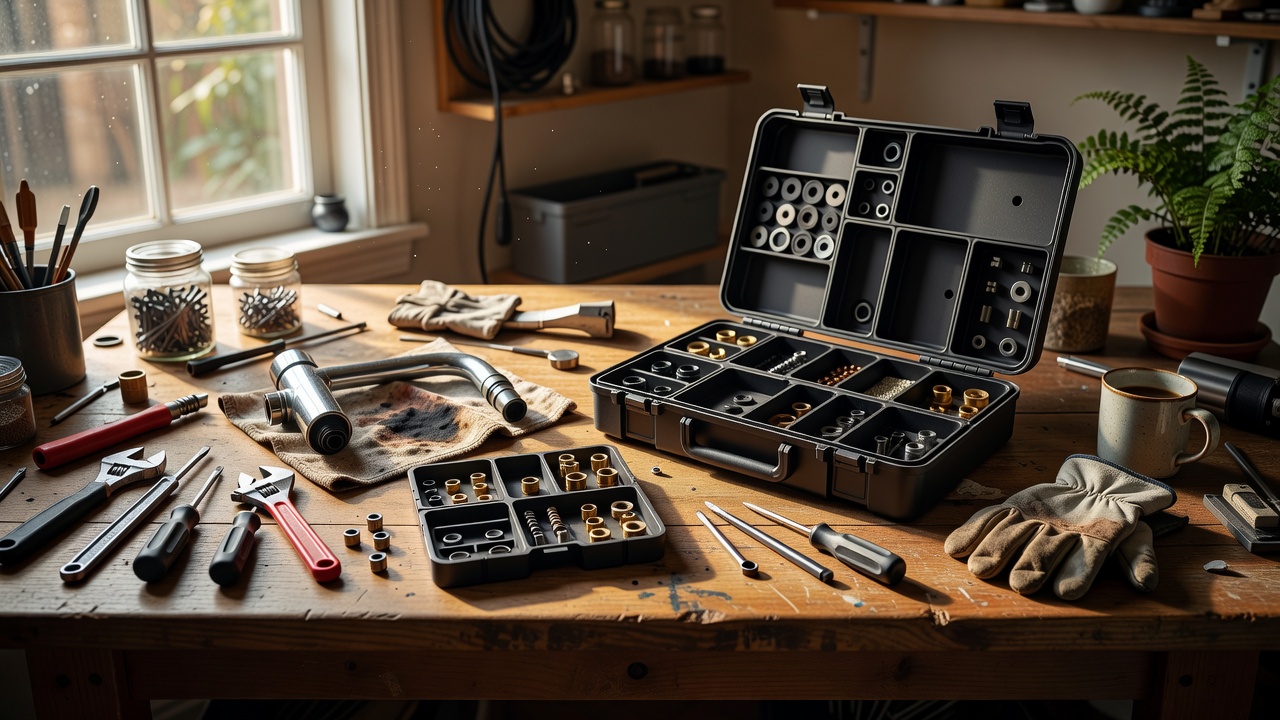
Wrenkit provides a practical collection of tools and components designed for various household tasks. Users appreciate its modular approach, allowing customization based on specific needs without unnecessary extras. The system emphasizes durability and ease of use, making it suitable for both beginners and experienced individuals handling repairs or improvements around the house.
Selecting Components Wisely
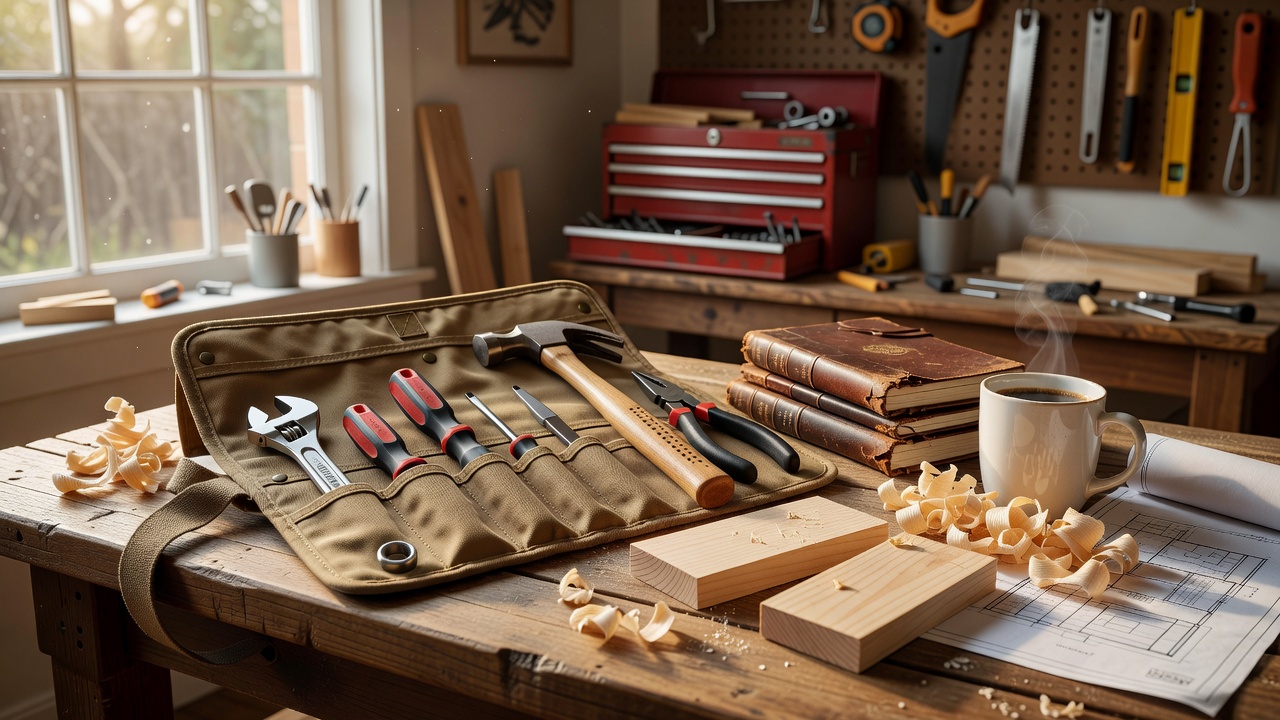
When building a Wrenkit setup, consider the most common tasks in your environment. Basic kits often include fasteners, measuring tools, and multi-purpose handles that adapt to different attachments. Focus on items that serve multiple functions to maximize value. Review material quality, such as corrosion-resistant metals, to ensure longevity in varied conditions like kitchens or outdoor areas. Matching components to your typical project scale helps avoid overbuying while covering essentials efficiently.
Organize selections by frequency of use. Keep frequently needed pieces accessible and store specialized ones separately. This method reduces time spent searching during projects. Many find that starting with a core set and adding accessories gradually creates a balanced collection tailored to personal requirements over time.
Applying Wrenkit in Practice
Everyday applications range from simple fixes like tightening fixtures to more involved assembly work. The interchangeable parts allow quick transitions between jobs, such as switching from a screwdriver head to a wrench attachment. Users report smoother workflows when following a logical sequence: assess the task, select appropriate tools, and maintain a clean workspace throughout. Safety remains important, so always use protective gear when operating any component under load.
Examples include assembling shelving units, repairing furniture joints, or installing basic fixtures. The design supports incremental progress, enabling completion in stages if time is limited. Consistent practice with the kit builds familiarity, leading to faster and more precise results on subsequent efforts.
Maintaining Your Kit
Regular upkeep preserves performance and extends usability. Clean tools after each session to remove debris and prevent buildup that could affect mechanisms. Inspect for wear on moving parts and replace components as needed to maintain reliability. Store the kit in a dry location away from extreme temperatures, using provided cases or organizers to keep everything in order.
Periodic reviews of inventory help identify missing or damaged items early. This proactive step ensures readiness for future projects without delays. Over time, proper care turns the Wrenkit into a dependable resource that supports ongoing home maintenance needs effectively.